Back
Copy
Share
Like
market
You are so beautiful
You are so beautiful
You are so beautiful
In the Gangnam Station commercial district, medical retail—combining foreign medical tourism and K-beauty—has established itself as a key anchor driving property value. Moving beyond the simple treatment spaces of the past, it is evolving into a massive vertical consumption ecosystem where upper-floor hospitals and lower-floor retail are organically connected.
In the Gangnam Station commercial district, medical retail—combining foreign medical tourism and K-beauty—has established itself as a key anchor driving property value. Moving beyond the simple treatment spaces of the past, it is evolving into a massive vertical consumption ecosystem where upper-floor hospitals and lower-floor retail are organically connected.
In the Gangnam Station commercial district, medical retail—combining foreign medical tourism and K-beauty—has established itself as a key anchor driving property value. Moving beyond the simple treatment spaces of the past, it is evolving into a massive vertical consumption ecosystem where upper-floor hospitals and lower-floor retail are organically connected.
Article Highlights
A New Engine of Gangnam’s Commercial District: Medical Retail: Hospitals, once seen as simple tenants, are now being reevaluated as powerful traffic-driving anchors that attract foreign medical tourists in the post-endemic era, boosting the asset value of buildings.
The Completion of the Vertical Consumption Ecosystem, 'Beauti-cal': Through a complementary structure in which large medical facilities on upper floors draw in purpose-driven customers while lower-floor retail absorbs shopping demand, Gangnam-daero has evolved into a massive beauty-medical complex.
Sustainable Advisory Backed by Transparent Data: CBRE eliminates the risks of non-professional consulting and sets the standard for a medical leasing market where both landlords and tenants thrive, through objective commercial district analysis and ethical guidelines.
Medical Hunters
The commercial district around Gangnam Station, having passed through the long tunnel of the pandemic, is heating up again. At the center of this revival is 'Medical Retail', armed with the powerful content known as 'K-beauty', rather than just consumer goods. In the past, hospitals were merely seen as places that "sick people go to" and were just ordinary tenants in the eyes of landlords. However, as of 2026, the medical sector is being re-evaluated as a core anchor that drives the asset value of buildings and dramatically increases foot traffic in commercial areas. Through the insights shared by Do Hoo-chang, the Executive Director of CBRE Korea Retail, we capture the evolution of the medical ecosystem penetrating vertically through Gangnam-daero and the hidden opportunities within it.
Q. In the past, fashion or F&B was preferred as the main tenant in commercial buildings, but it seems that the status of medical tenants has completely changed recently. What is the prevailing atmosphere on the ground?
[The Emergence of New Super Anchors]
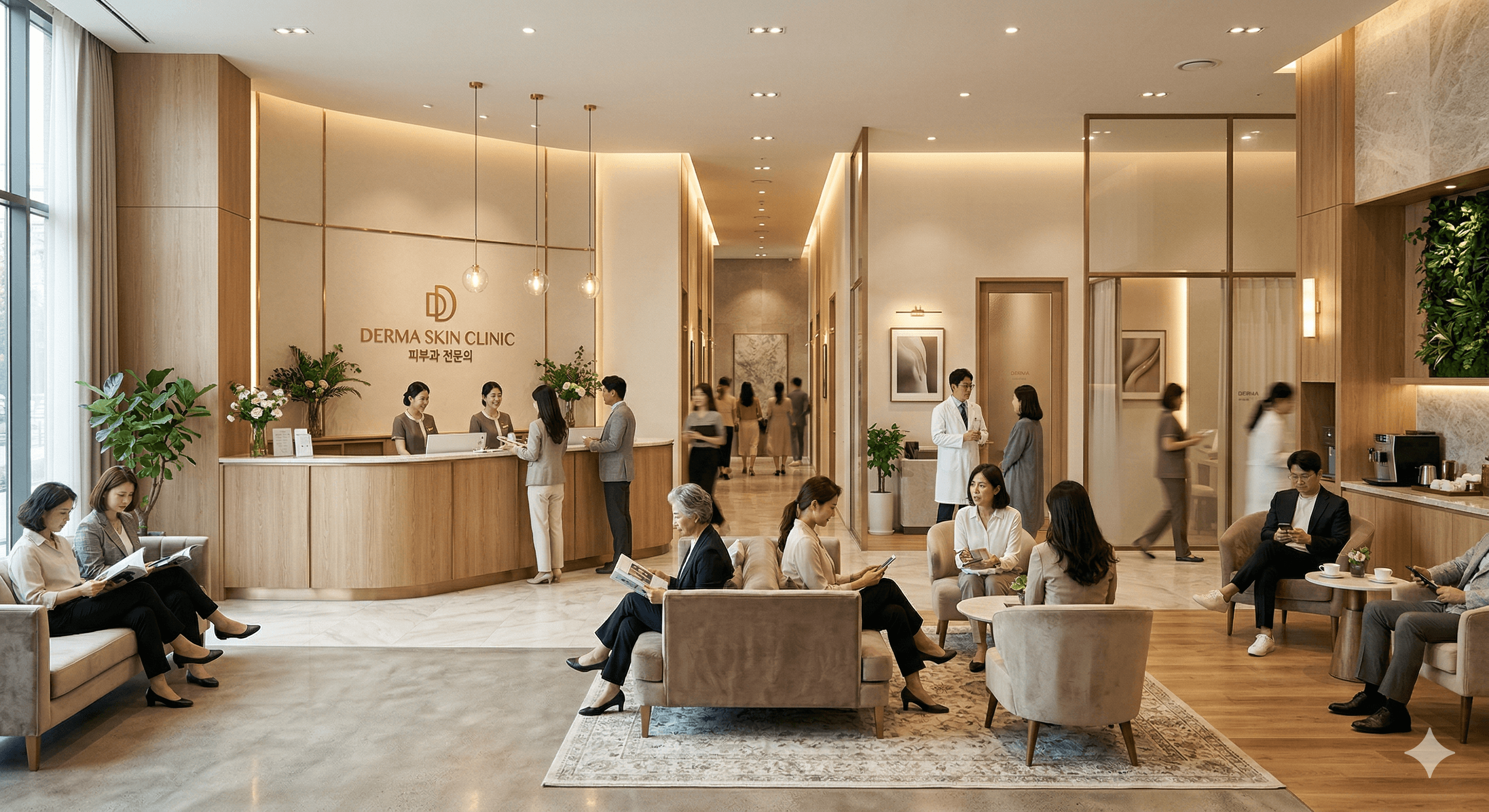
Just a few years ago, hospitals were just one of the many uninspiring tenants for landlords. However, the COVID-19 pandemic completely reversed this perception.
Despite fears of retail shutdowns, dermatology and plastic surgery clinics maintained solid revenues and demonstrated remarkable 'Stability' without ever falling behind on rent. Particularly, since the end of the pandemic, an explosive influx of foreign medical tourists has elevated medical facilities from being just hospitals to powerful attractions equivalent to department stores or luxury boutiques. Now, when vacancies arise in a building, landlords often first ask, "Can we attract a large dermatology or plastic surgery clinic here?"
The Evolution of Gangnam-daero
Q. The changes along Gangnam-daero are quite remarkable. The ground floor hosts global flagship stores while the upper floors are filled with hospitals. How should this phenomenon be interpreted?
[Beauti-cal(Beauty+Medical)]
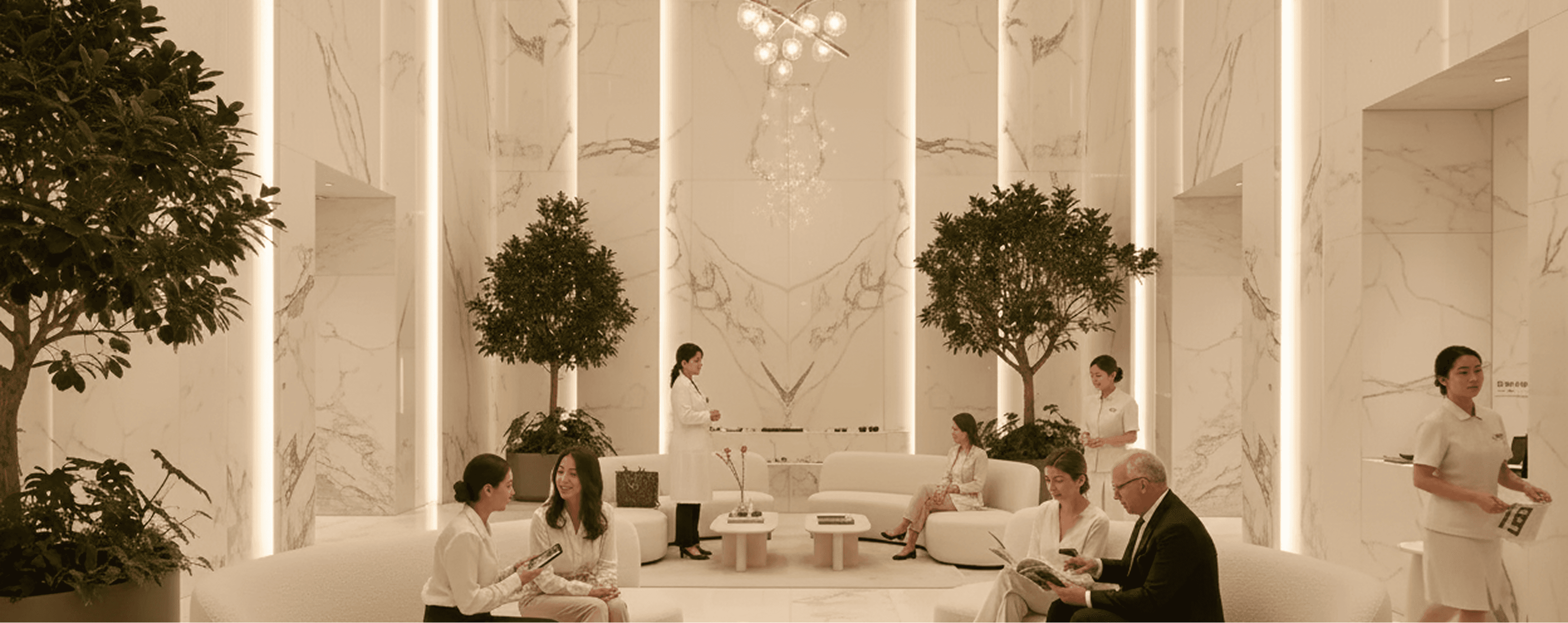
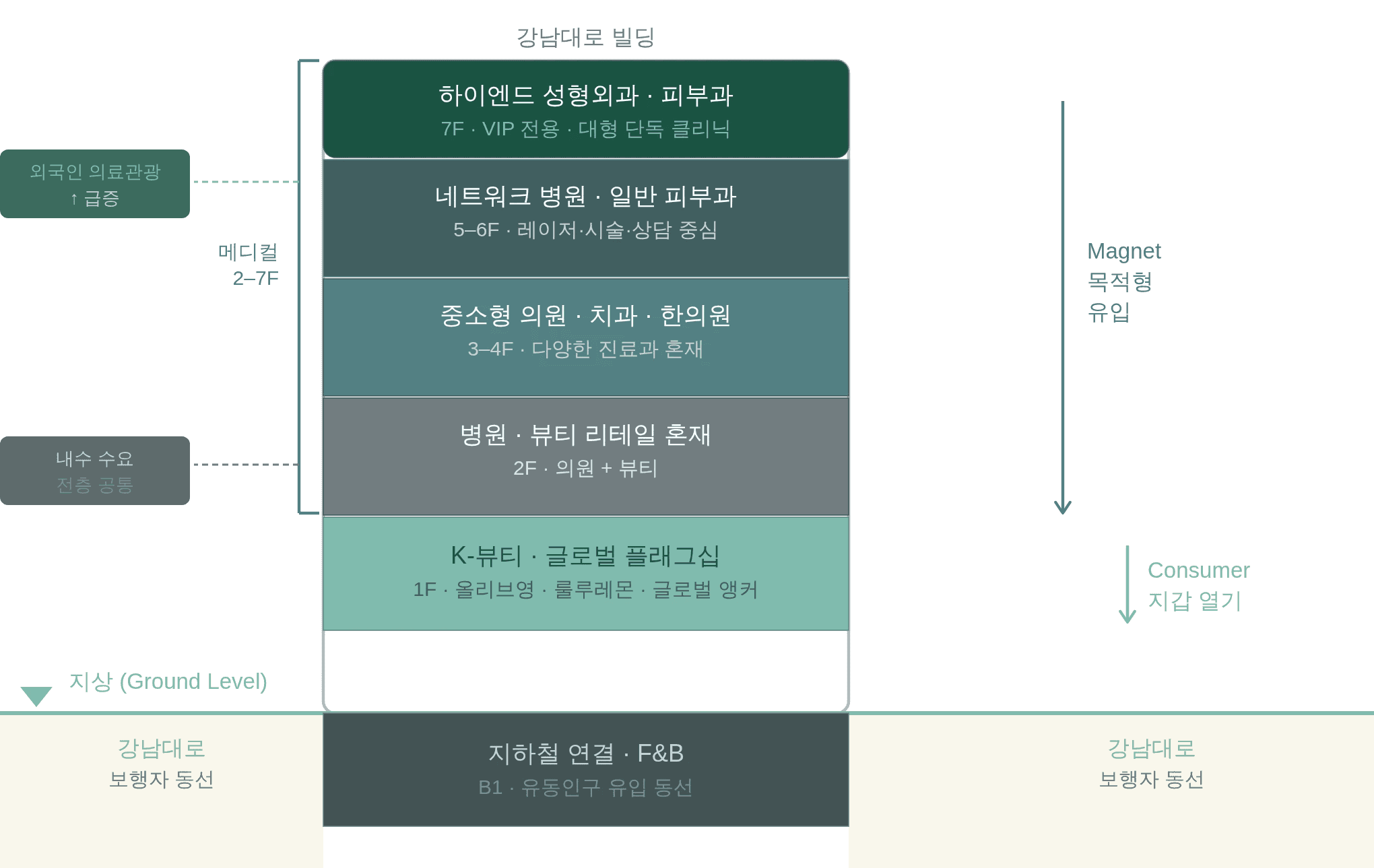
Gangnam-daero is currently evolving into a massive vertical mixed-use consumer ecosystem. In the past, shopping and hospitals were separate, but now these two are organically connected within one building.
Foreign tourists with high purchasing power visiting large plastic surgery or dermatology clinics located on the upper-middle levels of buildings are naturally flowing down to retail stores like Olive Young, Lululemon, and Chicor on the lower levels and that pattern of enjoying shopping related to K-Beauty has become commonplace.
The annual medical tourism spending in Gangnam has surpassed 120 billion KRW, and nearly half of all medical consumption in Seoul occurs in Gangnam (Seoul Medical Tourism Statistics, 2024). Medical clinics are effectively attracting targeted customers (Magnet) on the upper floors while retail is opening their wallets (Consumer) on the lower floors, creating a perfect complementary structure.
Q. What is the unique competitiveness of Gangnam's medical retail compared to other regions like Seongsu and Hannam?
[Big Canvas]
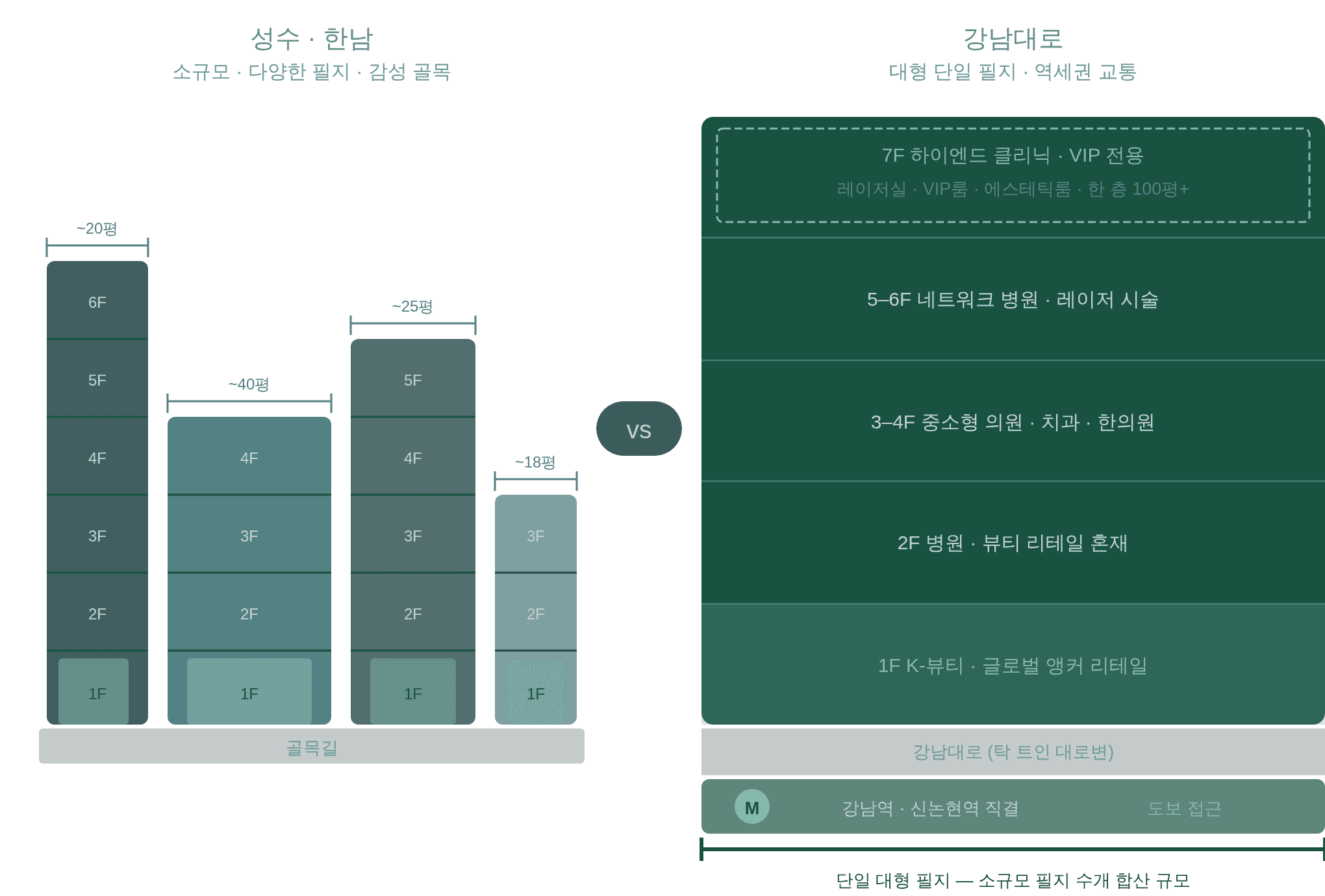
While Seongsu or Hannam focuses on 'emotion' in narrow alleys and charming small plots, Gangnam-daero is truly optimized for medical purposes with its expansive boulevard and large floor space.
Recent large-scale dermatology and plastic surgery clinics do not merely operate with a few examination rooms. In order to include advanced laser rooms, VIP waiting areas, consultation centers, and even aesthetic rooms, a large space of more than 100 pyeong (approx. 330 square meters) per floor is often essential. The only location in Seoul that can meet this demand for substantial space and provide convenient transportation is Gangnam-daero. For both brands and hospitals, Gangnam-daero functions as a ‘Big Canvas’ where they can prove their worth and showcase their identity on a grand scale.
Medical Trends: From Factory Type to High-End
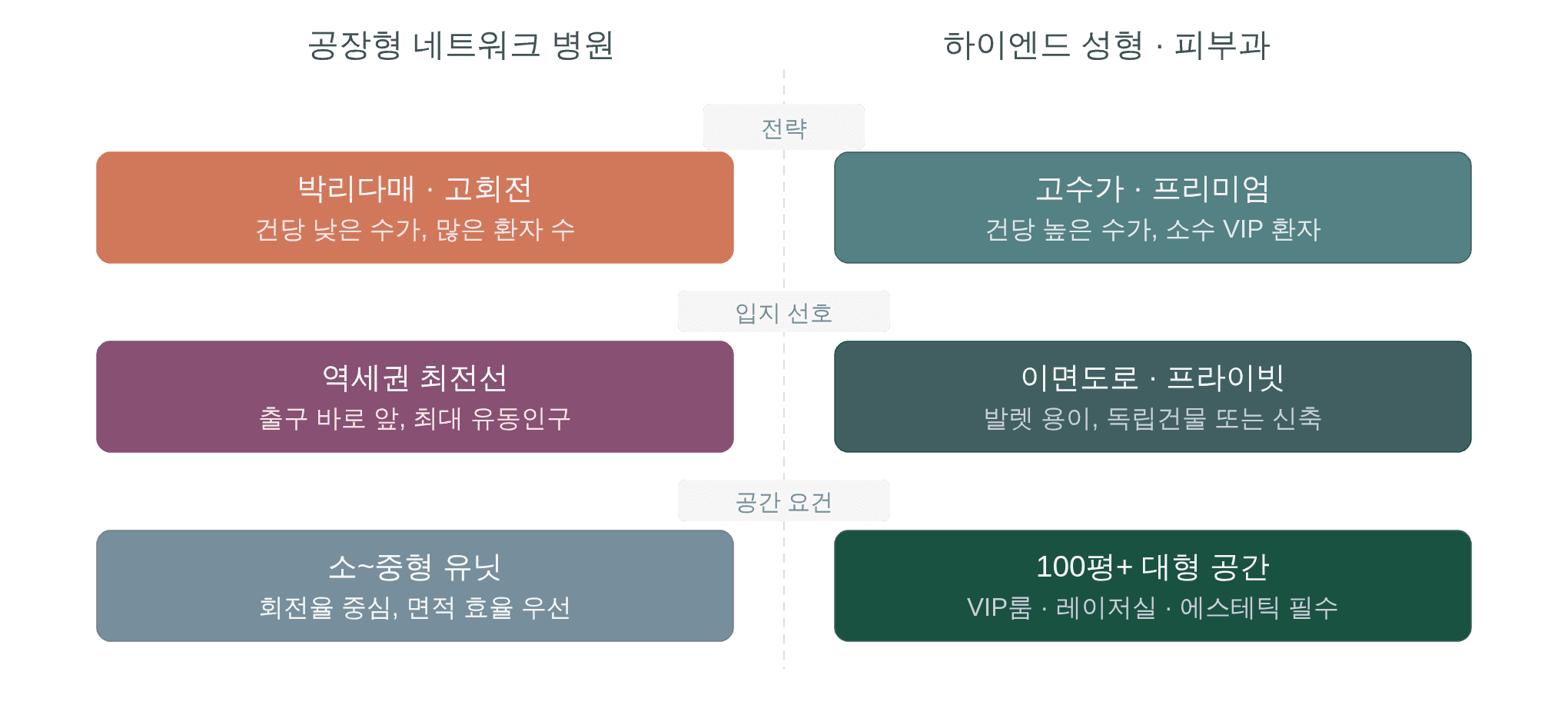
Q. The types of medical tenants are also diversifying. Is there a difference in the location strategies between so-called 'factory-type' hospitals and 'high-end' hospitals?
[Location Differentiation Based on Target]
There is a clear distinction. Those so-called 'factory-type' network hospitals that adopt a high-volume strategy prioritize accessibility. They prefer locations right in front of subway exits or where foot traffic is the heaviest, offsetting the slightly higher rent with turnover.
On the other hand, high-end plastic surgery or dermatology clinics that charge premium prices prefer locations that are less crowded than major transit areas, often opting for standalone buildings on side streets that allow for valet parking and ensure privacy.
However, what is common is that both types are putting much more emphasis on interiors and spatial experience (UX) than in the past. Now, hospitals have evolved into 'service spaces' that provide comfort and luxury beyond just treatment areas, akin to hotel lobbies.
Between Illusion and Reality
Q. Among landlords, there is a saying that "if you attract medical tenants, you can charge much higher rents." How much of a rent premium does medical create?
[Blind Premium Doesn’t Exist]
No, there is no approach such as "because it's a hospital, pay 50,000 KRW more per pyeong." Market prices are fixed, and the hospital directors are very savvy about current rates. However, there is a clear difference in payment capacity. Although large hospitals with monthly revenues in the tens of millions of KRW can easily afford high rents that are difficult for regular office businesses or small retailers to bear, when competition arises for quality assets (Landlord Market), medical tenants may present more aggressive pricing than other industries to secure their locations.
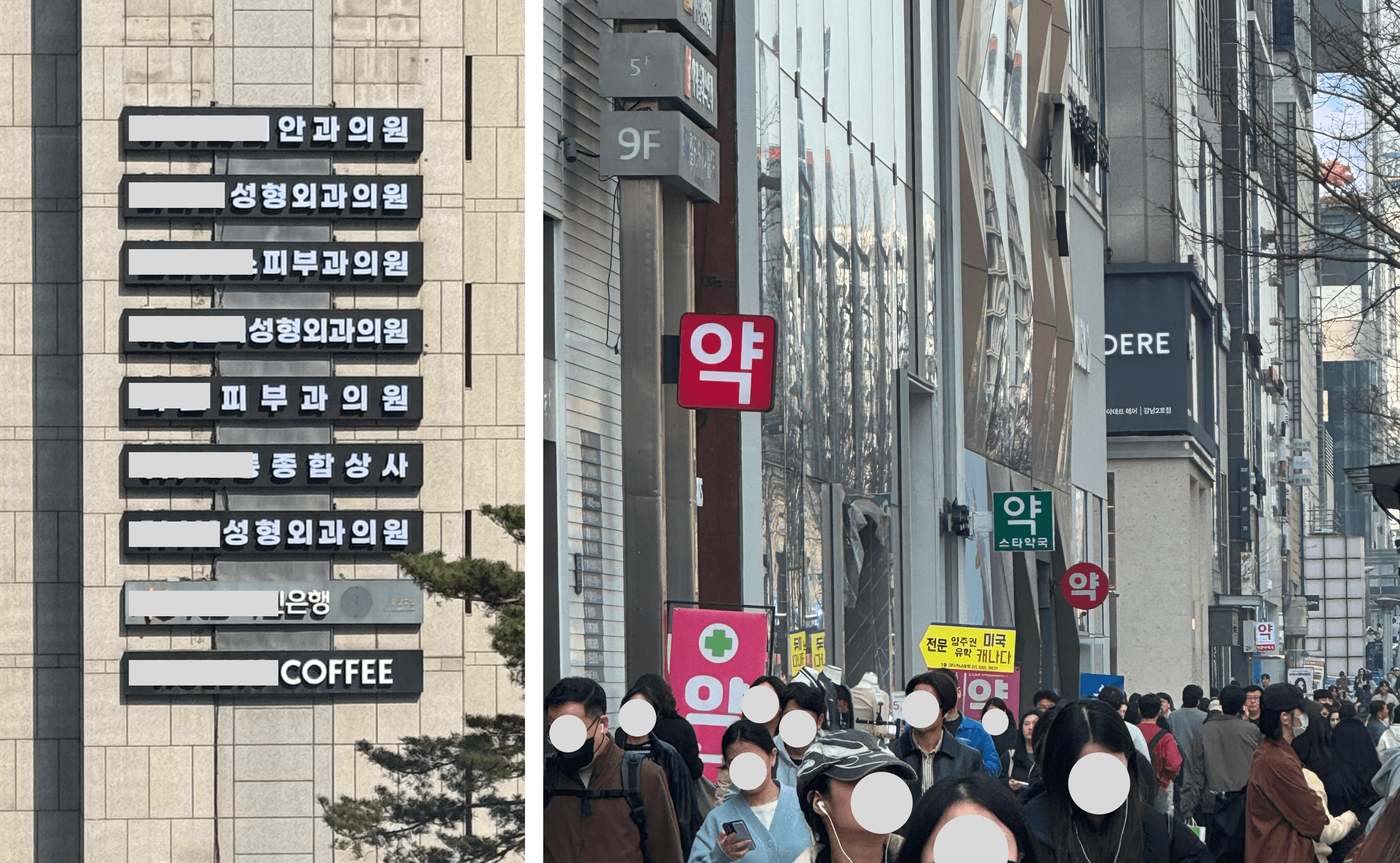
Around Gangnam Station, 66.7% of all signage is occupied by the medical sector. As shown in the right photo, pharmacies supporting the upper floors of hospitals dominate the lower-level retail, distinctly showcasing the medical town aspect unique to Gangnam-daero.
The Shadows of the Market and the Role of CBRE Retail
Q. As the medical market grows, so do companies claiming to offer 'medical consulting'. The confusion caused by these firms has also been pointed out as a problem. What are your thoughts?
[The Grey Zone]
This is an open secret in the medical opening market. Some unprofessional consulting firms entice clients with propositions like "We can help you open your practice without any costs." They offer turnkey services from site selection to interior design, leasing medical equipment, and arranging loans.
However, nothing in this world is free. They inflate interior costs, receive kickbacks from specific medical equipment suppliers, and arrange high-interest loans, pocketing commissions. Ultimately, all those inflated costs remain as debts for the directors, deteriorating the financial health of hospitals and potentially leading to rent defaults or closures in the long run. This poses a significant risk to landlords as well.
Q. So what is the key competitiveness of the medical leasing advisory proposed by the CBRE Retail team?
[Sustainability Created by Transparency]
CBRE focuses strictly on the essence of 'Real Estate Brokerage'. We do not sell medical equipment, nor do we arrange loans for commissions. According to necessity, we only propose the optimal space that can ensure the success of hospitals through professional and objective market data and location analysis.
Our competitiveness lies in ‘ethical management’ and ‘transparency’ based on global standards. We eliminate the rebate structure at its source and negotiate fair contract terms that can be accepted by both landlords and tenants. In the initial stages of opening, the sweet offers from consulting firms may seem appealing but to create successful hospitals that last 5 or 10 years, transparent contracts are essential. CBRE serves as a partner that helps establish hospitals on the most solid and honest foundation.
Q. The MOU signed with 'Gangnam Unni (Healing Paper)' in late 2024 drew attention in the industry. What changes do you anticipate this partnership will bring to the market?
[Combining Medical Online Data with Offline Solutions]
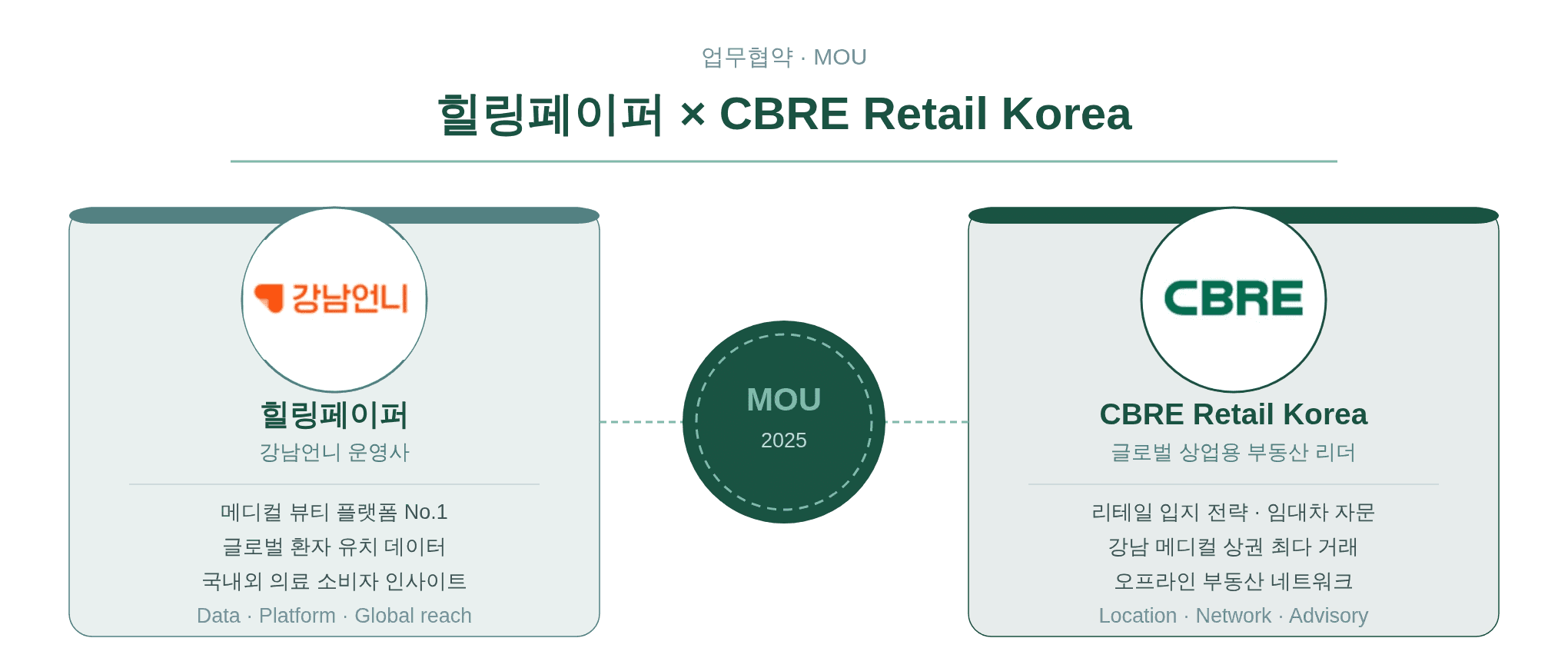
The MOU between CBRE Korea and Healing Paper (the operator of Gangnam Unni) signifies more than just two companies joining hands; it carries significant meaning that the number one commercial real estate solution and the number one medical beauty platform in South Korea have combined.
The vast user data and global patient attraction capabilities held by Gangnam Unni most accurately reveal which medical subjects are trending and what foreign patients desire. CBRE can integrate this data into offline real estate strategies, matching the medical services that global patients want to the "optimal locations indicated by the data", thus bolstering the domestic medical tourism industry. Both companies will work together to uncover new offline business opportunities for attracting foreign patients and strive to elevate the murky medical opening market into a transparent and professional field.
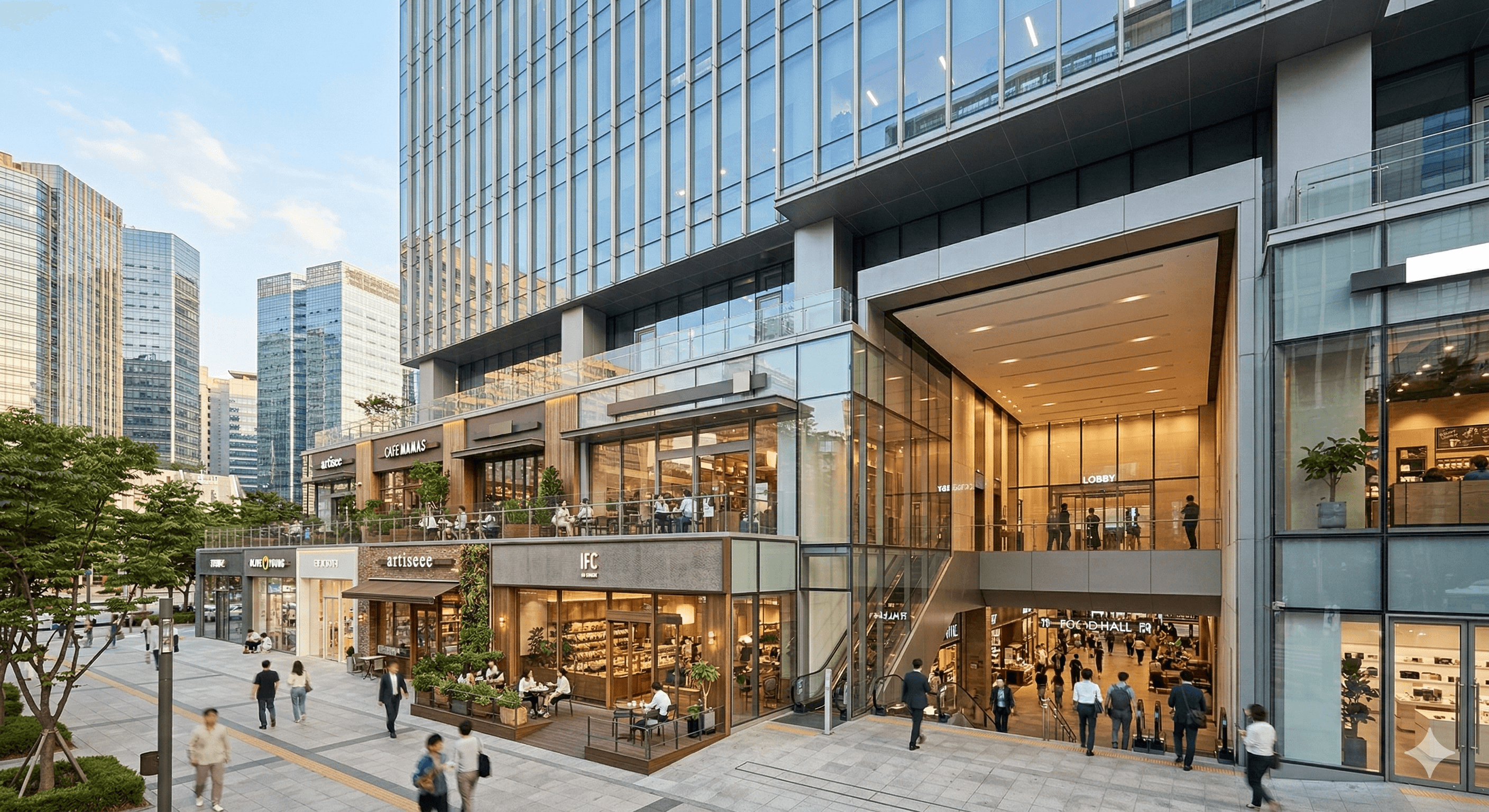
The office signage that used to hang on Gangnam-daero has now been replaced with the logos of dazzling medical brands, and the streets that were once occupied by tie-clad individuals are now flooded with foreign medical tourists wheeling their luggage. Medical retail is no longer just a sector of the leasing market. It has become a massive industry that combines Korea's advanced medical technologies with K-beauty content, transforming the urban flow of people and redefining the value of buildings. In the wave of this dynamic change, the way to seize opportunities for success is clear: instead of relying on short-term profits or shortcuts, choosing a straightforward approach that elevates the essential value of the space alongside transparent and professional partners is key. The CBRE Retail team serves as the best navigator on this straightforward path, creating a new standard for medical retail beyond Gangnam and across Korea.
Medical Hunters
The commercial district around Gangnam Station, having passed through the long tunnel of the pandemic, is heating up again. At the center of this revival is 'Medical Retail', armed with the powerful content known as 'K-beauty', rather than just consumer goods. In the past, hospitals were merely seen as places that "sick people go to" and were just ordinary tenants in the eyes of landlords. However, as of 2026, the medical sector is being re-evaluated as a core anchor that drives the asset value of buildings and dramatically increases foot traffic in commercial areas. Through the insights shared by Do Hoo-chang, the Executive Director of CBRE Korea Retail, we capture the evolution of the medical ecosystem penetrating vertically through Gangnam-daero and the hidden opportunities within it.
Q. In the past, fashion or F&B was preferred as the main tenant in commercial buildings, but it seems that the status of medical tenants has completely changed recently. What is the prevailing atmosphere on the ground?
[The Emergence of New Super Anchors]
Just a few years ago, hospitals were just one of the many uninspiring tenants for landlords. However, the COVID-19 pandemic completely reversed this perception.
Despite fears of retail shutdowns, dermatology and plastic surgery clinics maintained solid revenues and demonstrated remarkable 'Stability' without ever falling behind on rent. Particularly, since the end of the pandemic, an explosive influx of foreign medical tourists has elevated medical facilities from being just hospitals to powerful attractions equivalent to department stores or luxury boutiques. Now, when vacancies arise in a building, landlords often first ask, "Can we attract a large dermatology or plastic surgery clinic here?"
The Evolution of Gangnam-daero
Q. The changes along Gangnam-daero are quite remarkable. The ground floor hosts global flagship stores while the upper floors are filled with hospitals. How should this phenomenon be interpreted?
[Beauti-cal(Beauty+Medical)]
Gangnam-daero is currently evolving into a massive vertical mixed-use consumer ecosystem. In the past, shopping and hospitals were separate, but now these two are organically connected within one building.
Foreign tourists with high purchasing power visiting large plastic surgery or dermatology clinics located on the upper-middle levels of buildings are naturally flowing down to retail stores like Olive Young, Lululemon, and Chicor on the lower levels and that pattern of enjoying shopping related to K-Beauty has become commonplace.
The annual medical tourism spending in Gangnam has surpassed 120 billion KRW, and nearly half of all medical consumption in Seoul occurs in Gangnam (Seoul Medical Tourism Statistics, 2024). Medical clinics are effectively attracting targeted customers (Magnet) on the upper floors while retail is opening their wallets (Consumer) on the lower floors, creating a perfect complementary structure.
Q. What is the unique competitiveness of Gangnam's medical retail compared to other regions like Seongsu and Hannam?
[Big Canvas]
While Seongsu or Hannam focuses on 'emotion' in narrow alleys and charming small plots, Gangnam-daero is truly optimized for medical purposes with its expansive boulevard and large floor space.
Recent large-scale dermatology and plastic surgery clinics do not merely operate with a few examination rooms. In order to include advanced laser rooms, VIP waiting areas, consultation centers, and even aesthetic rooms, a large space of more than 100 pyeong (approx. 330 square meters) per floor is often essential. The only location in Seoul that can meet this demand for substantial space and provide convenient transportation is Gangnam-daero. For both brands and hospitals, Gangnam-daero functions as a ‘Big Canvas’ where they can prove their worth and showcase their identity on a grand scale.
Medical Trends: From Factory Type to High-End
Q. The types of medical tenants are also diversifying. Is there a difference in the location strategies between so-called 'factory-type' hospitals and 'high-end' hospitals?
[Location Differentiation Based on Target]
There is a clear distinction. Those so-called 'factory-type' network hospitals that adopt a high-volume strategy prioritize accessibility. They prefer locations right in front of subway exits or where foot traffic is the heaviest, offsetting the slightly higher rent with turnover.
On the other hand, high-end plastic surgery or dermatology clinics that charge premium prices prefer locations that are less crowded than major transit areas, often opting for standalone buildings on side streets that allow for valet parking and ensure privacy.
However, what is common is that both types are putting much more emphasis on interiors and spatial experience (UX) than in the past. Now, hospitals have evolved into 'service spaces' that provide comfort and luxury beyond just treatment areas, akin to hotel lobbies.
Between Illusion and Reality
Q. Among landlords, there is a saying that "if you attract medical tenants, you can charge much higher rents." How much of a rent premium does medical create?
[Blind Premium Doesn’t Exist]
No, there is no approach such as "because it's a hospital, pay 50,000 KRW more per pyeong." Market prices are fixed, and the hospital directors are very savvy about current rates. However, there is a clear difference in payment capacity. Although large hospitals with monthly revenues in the tens of millions of KRW can easily afford high rents that are difficult for regular office businesses or small retailers to bear, when competition arises for quality assets (Landlord Market), medical tenants may present more aggressive pricing than other industries to secure their locations.
Around Gangnam Station, 66.7% of all signage is occupied by the medical sector. As shown in the right photo, pharmacies supporting the upper floors of hospitals dominate the lower-level retail, distinctly showcasing the medical town aspect unique to Gangnam-daero.
The Shadows of the Market and the Role of CBRE Retail
Q. As the medical market grows, so do companies claiming to offer 'medical consulting'. The confusion caused by these firms has also been pointed out as a problem. What are your thoughts?
[The Grey Zone]
This is an open secret in the medical opening market. Some unprofessional consulting firms entice clients with propositions like "We can help you open your practice without any costs." They offer turnkey services from site selection to interior design, leasing medical equipment, and arranging loans.
However, nothing in this world is free. They inflate interior costs, receive kickbacks from specific medical equipment suppliers, and arrange high-interest loans, pocketing commissions. Ultimately, all those inflated costs remain as debts for the directors, deteriorating the financial health of hospitals and potentially leading to rent defaults or closures in the long run. This poses a significant risk to landlords as well.
Q. So what is the key competitiveness of the medical leasing advisory proposed by the CBRE Retail team?
[Sustainability Created by Transparency]
CBRE focuses strictly on the essence of 'Real Estate Brokerage'. We do not sell medical equipment, nor do we arrange loans for commissions. According to necessity, we only propose the optimal space that can ensure the success of hospitals through professional and objective market data and location analysis.
Our competitiveness lies in ‘ethical management’ and ‘transparency’ based on global standards. We eliminate the rebate structure at its source and negotiate fair contract terms that can be accepted by both landlords and tenants. In the initial stages of opening, the sweet offers from consulting firms may seem appealing but to create successful hospitals that last 5 or 10 years, transparent contracts are essential. CBRE serves as a partner that helps establish hospitals on the most solid and honest foundation.
Q. The MOU signed with 'Gangnam Unni (Healing Paper)' in late 2024 drew attention in the industry. What changes do you anticipate this partnership will bring to the market?
[Combining Medical Online Data with Offline Solutions]
The MOU between CBRE Korea and Healing Paper (the operator of Gangnam Unni) signifies more than just two companies joining hands; it carries significant meaning that the number one commercial real estate solution and the number one medical beauty platform in South Korea have combined.
The vast user data and global patient attraction capabilities held by Gangnam Unni most accurately reveal which medical subjects are trending and what foreign patients desire. CBRE can integrate this data into offline real estate strategies, matching the medical services that global patients want to the "optimal locations indicated by the data", thus bolstering the domestic medical tourism industry. Both companies will work together to uncover new offline business opportunities for attracting foreign patients and strive to elevate the murky medical opening market into a transparent and professional field.
The office signage that used to hang on Gangnam-daero has now been replaced with the logos of dazzling medical brands, and the streets that were once occupied by tie-clad individuals are now flooded with foreign medical tourists wheeling their luggage. Medical retail is no longer just a sector of the leasing market. It has become a massive industry that combines Korea's advanced medical technologies with K-beauty content, transforming the urban flow of people and redefining the value of buildings. In the wave of this dynamic change, the way to seize opportunities for success is clear: instead of relying on short-term profits or shortcuts, choosing a straightforward approach that elevates the essential value of the space alongside transparent and professional partners is key. The CBRE Retail team serves as the best navigator on this straightforward path, creating a new standard for medical retail beyond Gangnam and across Korea.
More in
More in
market
market
market
Apr 2, 2026
Office Retail: No Longer the Sidekick
Beyond rental spaces, office retail determines the sophistication of an office.
market
Mar 4, 2026
The reason why choosing a flagship store location based on intuition can lead to disaster.
The 'Golden Rule' for successful location selection proven by data from 31 industry experts.
Get the best of 'detail'
in your inbox, every month
Once a month, no spam
Get the best of 'detail'
in your inbox, every month
Once a month, no spam
Get the best of 'detail'
in your inbox, every month
Once a month, no spam