Back
Copy
Share
Like
street
Hannam-dong, a private club in Seoul. ①
Hannam-dong, a private club in Seoul. ①
Hannam-dong, a private club in Seoul. ①
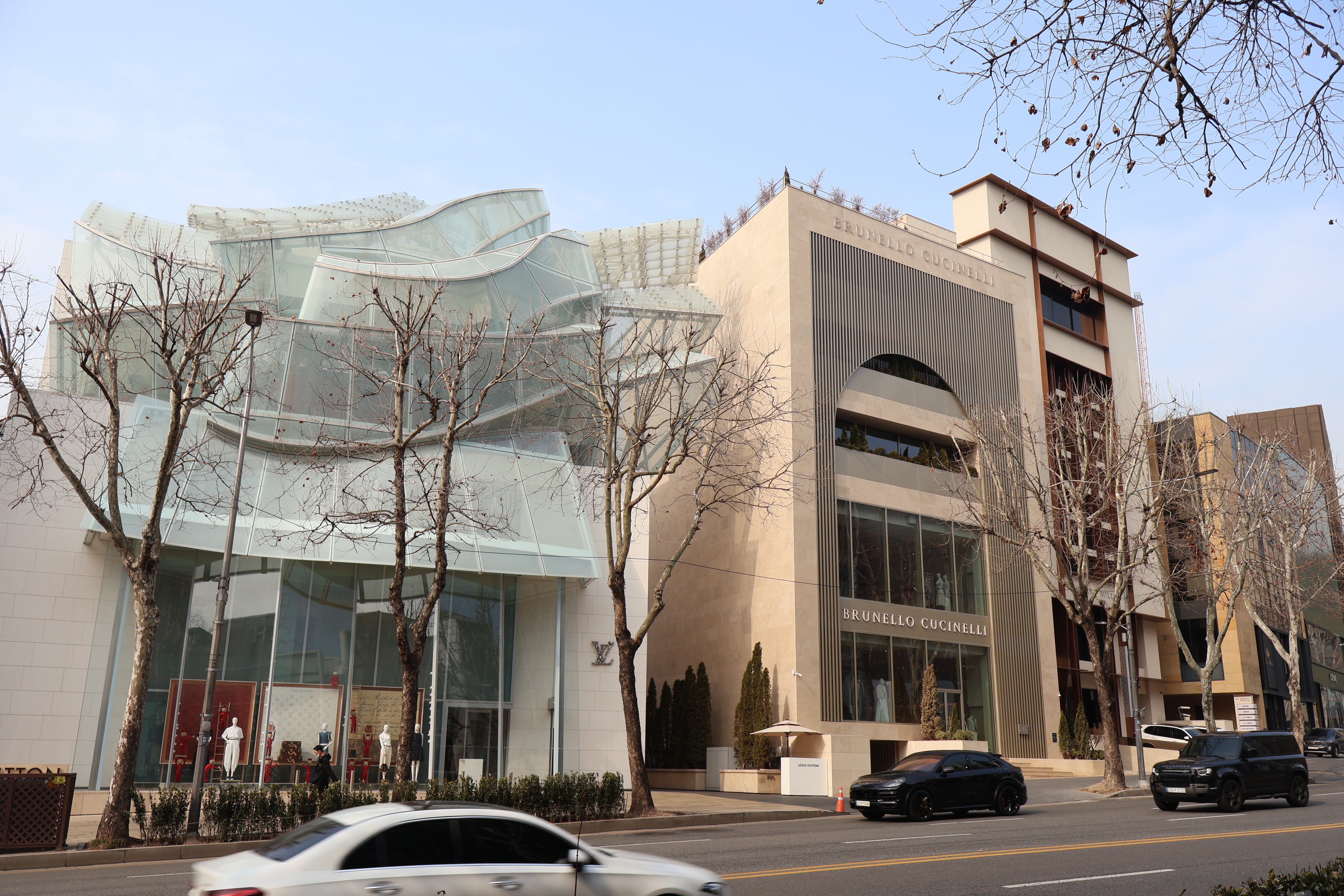
Hannam-dong is a global brand testbed that has found the most sophisticated equilibrium between the experimentalism of Seongsu and the formalized luxury of Dosan, where its true power lies in a dual structure: massive "Big Box" flagships on the main thoroughfares anchor the district's gravity, while curated showrooms in the back alleys fill in the intricate high-sensitivity details.
Hannam-dong is a global brand testbed that has found the most sophisticated equilibrium between the experimentalism of Seongsu and the formalized luxury of Dosan, where its true power lies in a dual structure: massive "Big Box" flagships on the main thoroughfares anchor the district's gravity, while curated showrooms in the back alleys fill in the intricate high-sensitivity details.
Hannam-dong is a global brand testbed that has found the most sophisticated equilibrium between the experimentalism of Seongsu and the formalized luxury of Dosan, where its true power lies in a dual structure: massive "Big Box" flagships on the main thoroughfares anchor the district's gravity, while curated showrooms in the back alleys fill in the intricate high-sensitivity details.
Article Highlights
A Sanctuary of Taste—"More Refined than Seongsu, More Flexible than Dosan": Hannam-dong has found the perfect equilibrium between the raw experimentalism of Seongsu and the formalized luxury of Dosan. It functions as the most sophisticated "Flagship Stage" where global brands interpret and receive the ultimate approval for their Seoul-inspired sensibility.
The Power of Back Alleys and "Treasure Hunting": Brands like Lemaire and Maison Margiela, which have bypassed the main thoroughfares to penetrate deep into residential pockets, induce high-intent "Purpose-driven Visits." The synergy between showrooms preserving old architectural frames and curated F&B creates a uniquely "Hannam-esque" atmosphere that capital alone cannot replicate.
The "Mingling" of Explorers, Not Just Tourists: A dense, "Stay-focused Ecosystem" has formed where Global Explorers (FIT)—who value individual taste over the mass-market appeal of Myeongdong—mingle with high-sensitivity local consumers. Here, shopping becomes a stroll, and dining serves as a seamless extension of the brand experience.
Hannam-dong, the epicenter of Seoul’s most refined tastes, is no longer defined simply as a "high-end residential area." Distinguishing itself from the mass-tourism of Myeongdong and the raw, experimental energy of Seongsu, it functions as a sort of "Private Club" where the mingling of global demand and local trendsetters is most densely institutionalized. This report analyzes how this former high-end residential district has evolved into an unrivaled retail hub with a 0% vacancy rate.
Redefining 'High-End'
From Luxury Living to a "Global Brand Showcase" While maintaining its inherent high-end sensibility, Hannam-dong’s functional role has shifted from a quiet residential environment to a flagship stage for projecting a brand’s worldview. It is no longer just a place of consumption; it is the final approval stage where global labels and top-tier domestic contemporary brands interpret and validate the "Seoul sensibility." It has become a retail destination where global consumers and local trendsetters intersect at the highest velocity.
In between of Myeongdong and Seongsu
Hannam-dong occupies a unique position within the Itaewon–Hannam–Yongsan axis. It avoids the transactional nature of Myeongdong and the unrefined industrialism of Seongsu. The coexistence of massive flagships on the main thoroughfares and high-density showrooms in the back alleys creates the most sophisticated retail ecosystem for brands to define and present themselves.
Expansion strategy: VIBE over ROI
Currently, the core of Hannam-dong’s expansion strategy is not a simple calculation of ROI. Success is determined by how powerfully a brand can communicate its worldview (Storytelling) and how effectively it can imprint itself on a global community of refined tastes. The Hannam rental market has shifted from being rent-centric to a "Selective Brand Competition Market," where brand power and conceptual clarity dictate entry.
Hannam Series
Part 1: From High-End Residential to Seoul’s Premier Brand Testbed
① Evolution of Hannam-dong
② Experience-Driven Brand Clusters
Part 2: The Price of Admission to Hannam
③ No Vacancies, Only Strategic Turnovers
④ Key Money Cases and Strategic Site Dominance
⑤ Qualitative Shifts in Flow and Category Resets
⑥ Eat, See, and Wear
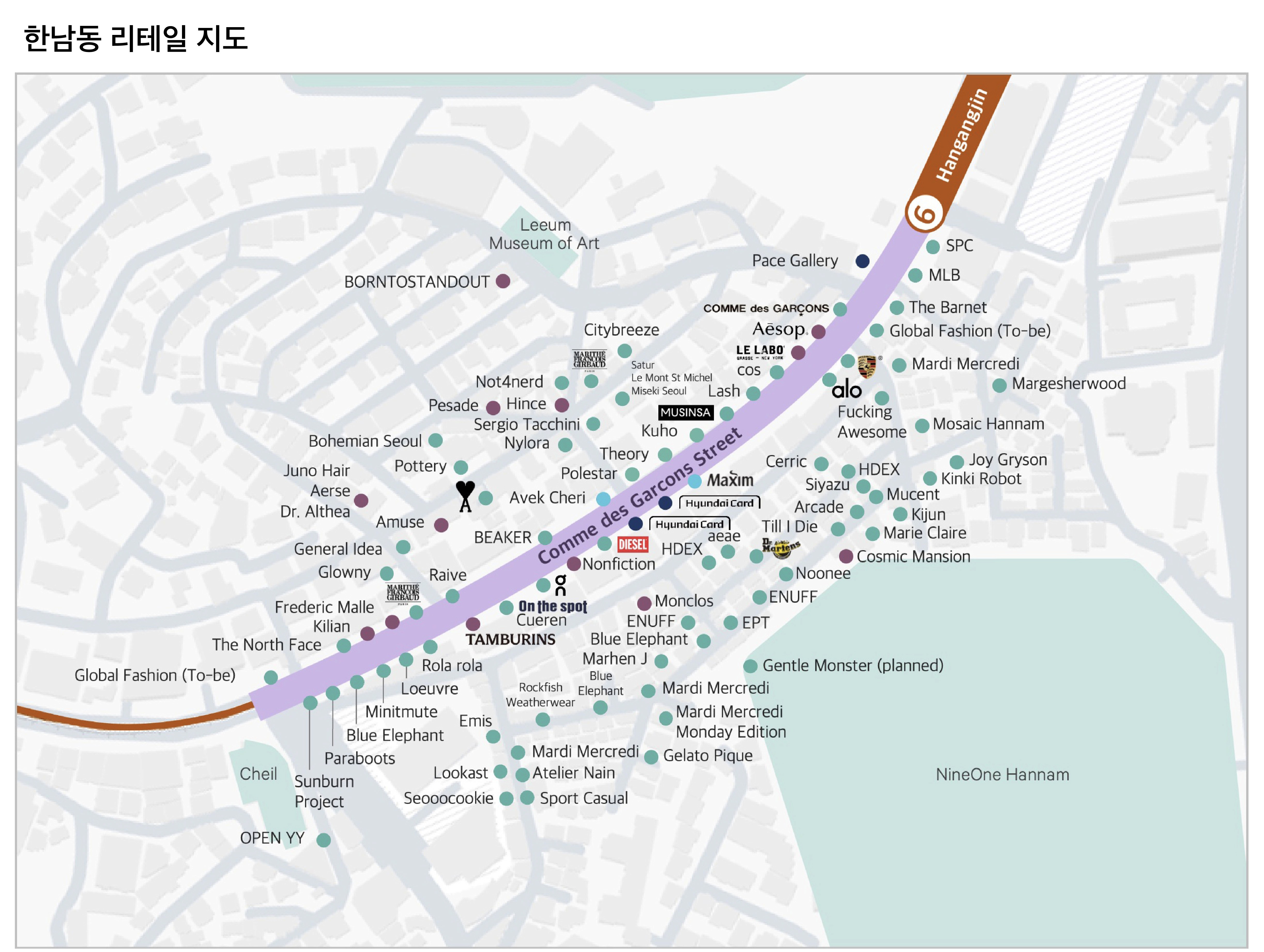
① Evolution of Hannam-dong
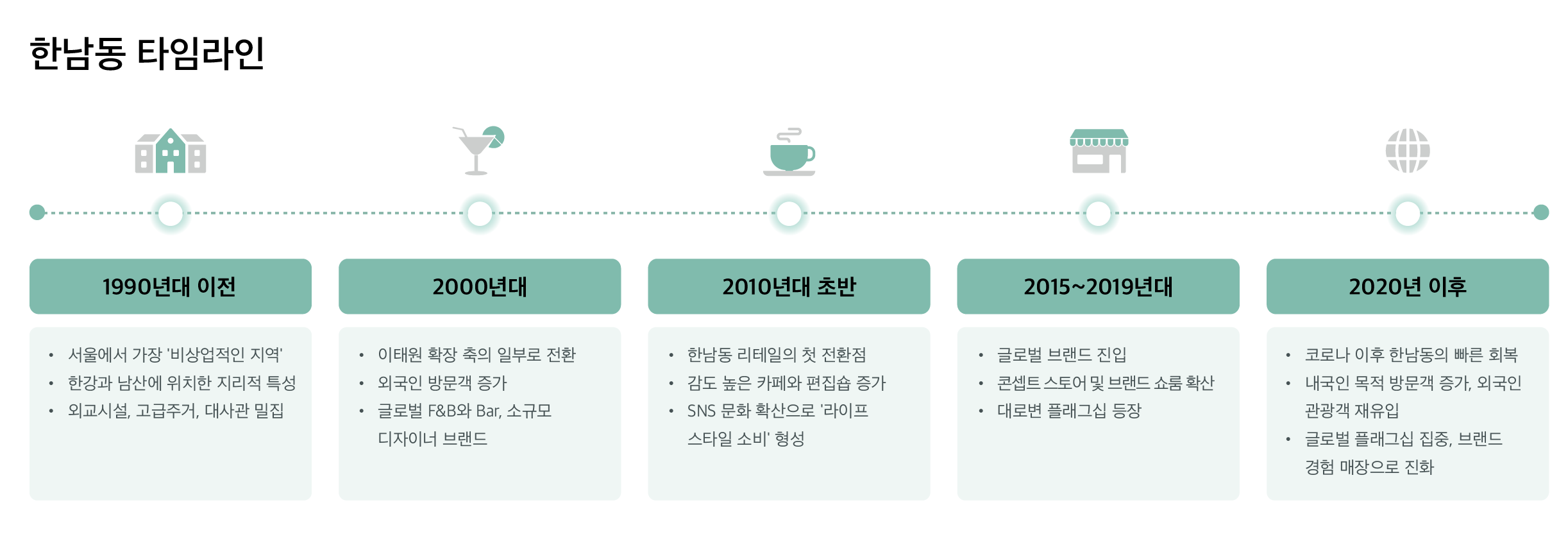
Pre-1990s: Non-commercial Zone Centered on Diplomacy & Luxury Housing
Concentrated with luxury villas like UN Village and foreign embassies, the area focused on "living" rather than "consumption." This secluded, high-income environment laid the foundation for its current premium image.
Early 2000s: Itaewon Expansion and the Birth of a Cultural Hub
As Itaewon grew into a global tourist and cultural landmark, its influence spilled over into Hannam. The influx of global F&B and bar culture established it as a neighborhood where "foreign culture is consumed naturally."
Circa 2010: The Lifestyle Boom and the First Turning Point
The emergence of high-sensitivity cafes, select shops, and designer showrooms established the concept of "Lifestyle Consumption" even before Seongsu. This period saw the birth of the "Experience Consumption" model.
2015–2019: Evolution into a Flagship District
Major fashion and beauty flagships and concept stores entered the area, completing the current dual structure of main-road anchors and back-alley boutiques. It became firmly established as a space to "showcase a brand’s worldview."
2020–2022: Post-Pandemic Retail Realignment
Even during COVID-19, purpose-driven domestic visitors remained loyal, showing faster recovery than other districts. Brands began positioning their Hannam locations as "Experience Hubs" rather than mere "Sales Outlets."
2023–Present: Completion of the Global Brand Testbed
Beyond a popular district, it is now the core stage for Seoul’s global retail strategy. With zero vacancies, the market has entered a phase of extreme brand vetting and conceptual competition.
② Experience-Driven Brand Clusters
②-A.Beyond a "Hip Neighborhood": A Strategic Brand Cluster
In the Seoul retail landscape, Hannam-dong can no longer be explained by the one-dimensional label of a "hip neighborhood." As previously stated, this is a district where the "Mingling" of global demand and local trendsetters has become a dense, daily reality.
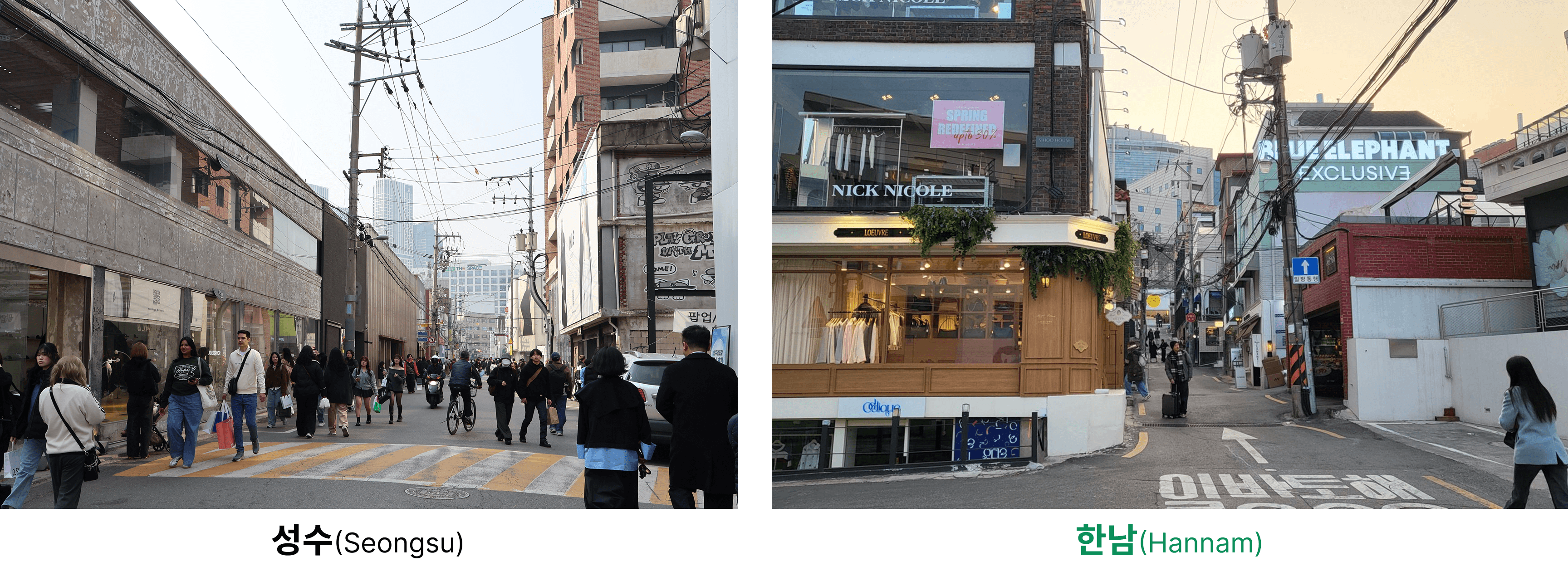
While Seongsu-dong radiates experimental energy through the raw industrial grit of old factory zones, and the Dosan Park area targets "Mixed Luxury" with modern architecture and high-end clusters, Hannam-dong is the ultimate destination of taste reached after traversing these two worlds. More refined than the ruggedness of Seongsu and more flexible than the formalized luxury of Dosan, Hannam-dong is a unique site of "Mingling" where global flagships and local contemporary brands coexist side-by-side in narrow alleys. This is a district for "Global Explorers" (FIT) and high-sensitivity local consumers who have sought out specific brands through social media and global communities, creating an irreplaceable sector for consuming Seoul’s most refined lifestyle.
Hannam-dong’s position in Seoul is clear. It is neither a conventional tourist trap like Myeongdong nor a raw experimental space like Seongsu. Instead, it functions as a High-end Testbed and a Flagship Stage where global labels and top-tier domestic contemporary brands interpret and validate the "Seoul sensibility." How, then, is the spatial structure of Hannam-dong configured to deliver this "hip yet refined" atmosphere?
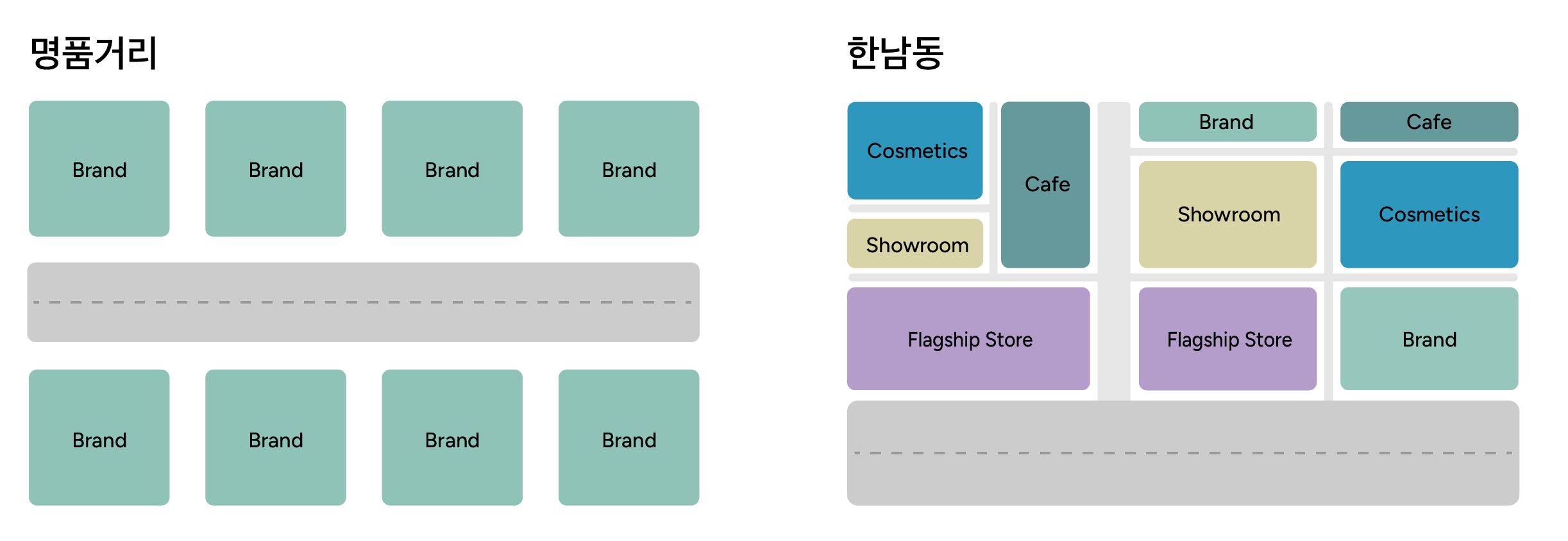
In Hannam-dong, unlike the linear luxury streets where brands are neatly aligned, massive flagships on the main roads and high-sensitivity showrooms in back alleys coexist organically. Here, the success of a tenant is measured not by "sales volume," but by how overpoweringly they communicate their Brand Worldview and how rapidly that experience goes viral across global communities.
②-B. Dimensional Exploration: A Neighborhood for "Treasure Hunting"
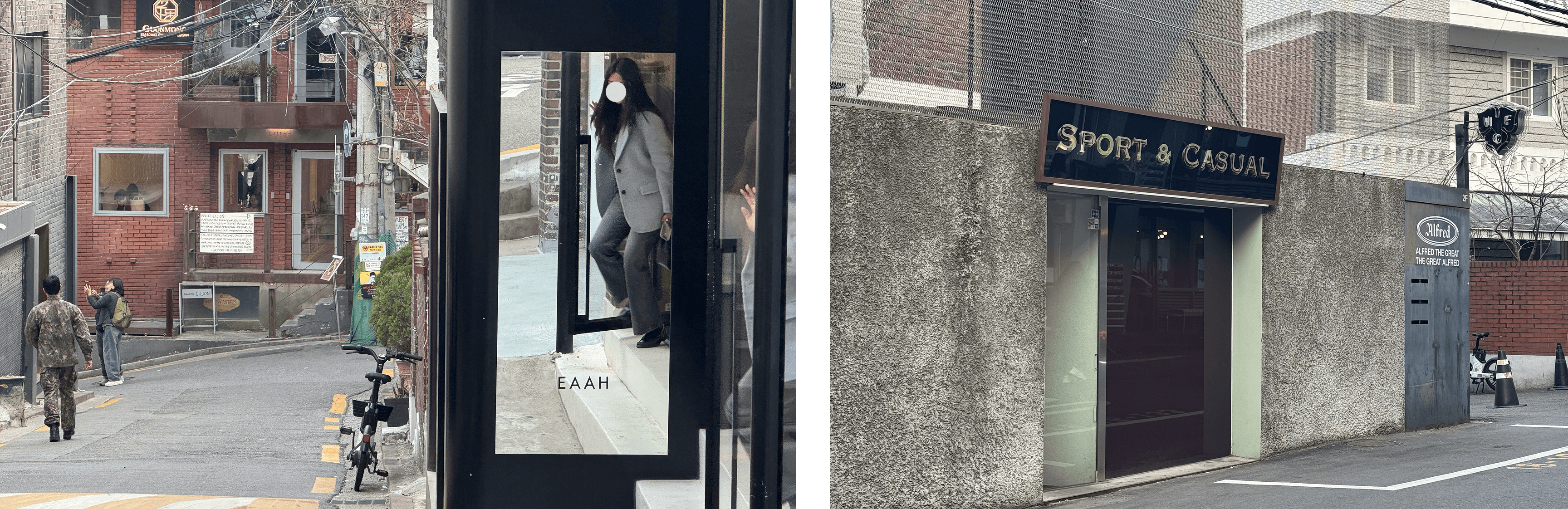
As noted, while Cheongdam-dong is for VVIPs who drive directly to a store, Hannam-dong is a space for Dimensional Exploration—like finding treasure while walking. Lemaire’s decision to tuck itself away in a residential alley rather than a main road was a masterstroke of confidence. It signals: "Find us if you know us"—a sentiment that defines the very identity of Hannam.
The Value of Back Alleys: The presence of Lemaire or the Maison Margiela flagship in residential areas is symbolic of Hannam’s identity. It induces "Purpose-driven Visits," while the domestic brands and small curated shops encountered along the way increase the district's density.
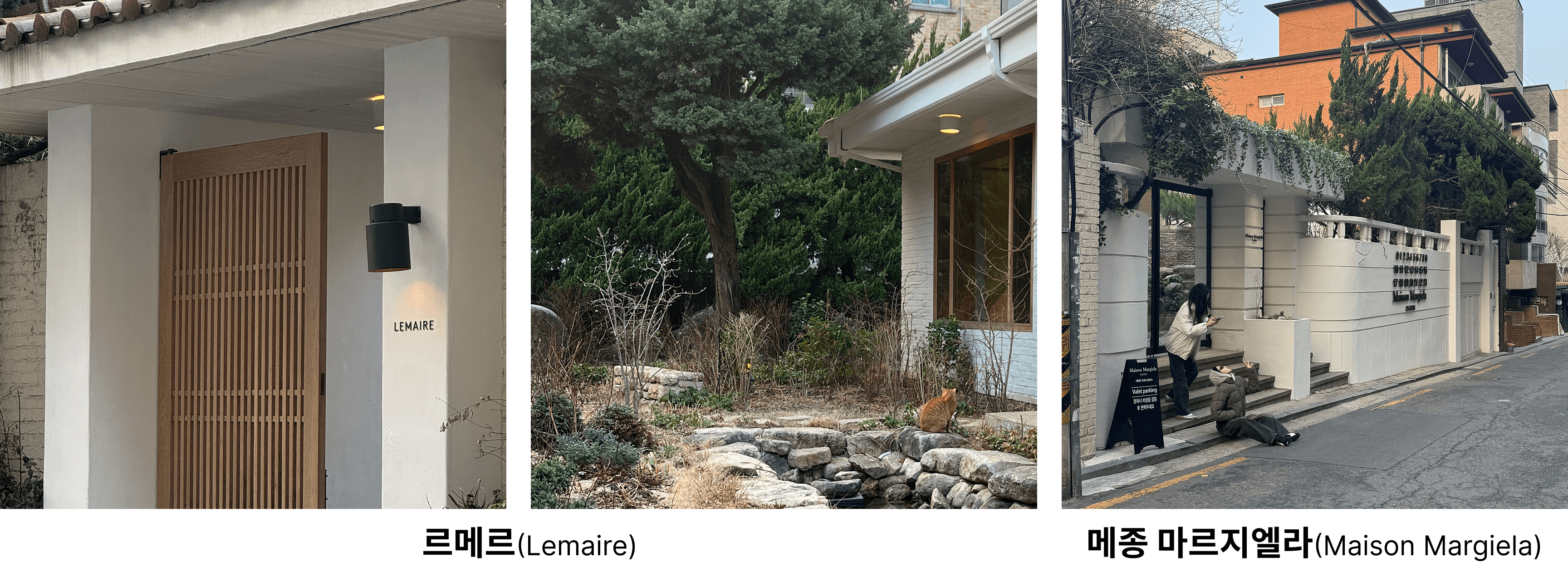
Organic Mingling: The flow continues naturally—visitors exit a global brand showroom, grab coffee at Sounds Hannam right in front, and then head back into an alley to explore a local designer label. This harmony between F&B and fashion provides a sense of leisure and comfort unattainable in other districts.
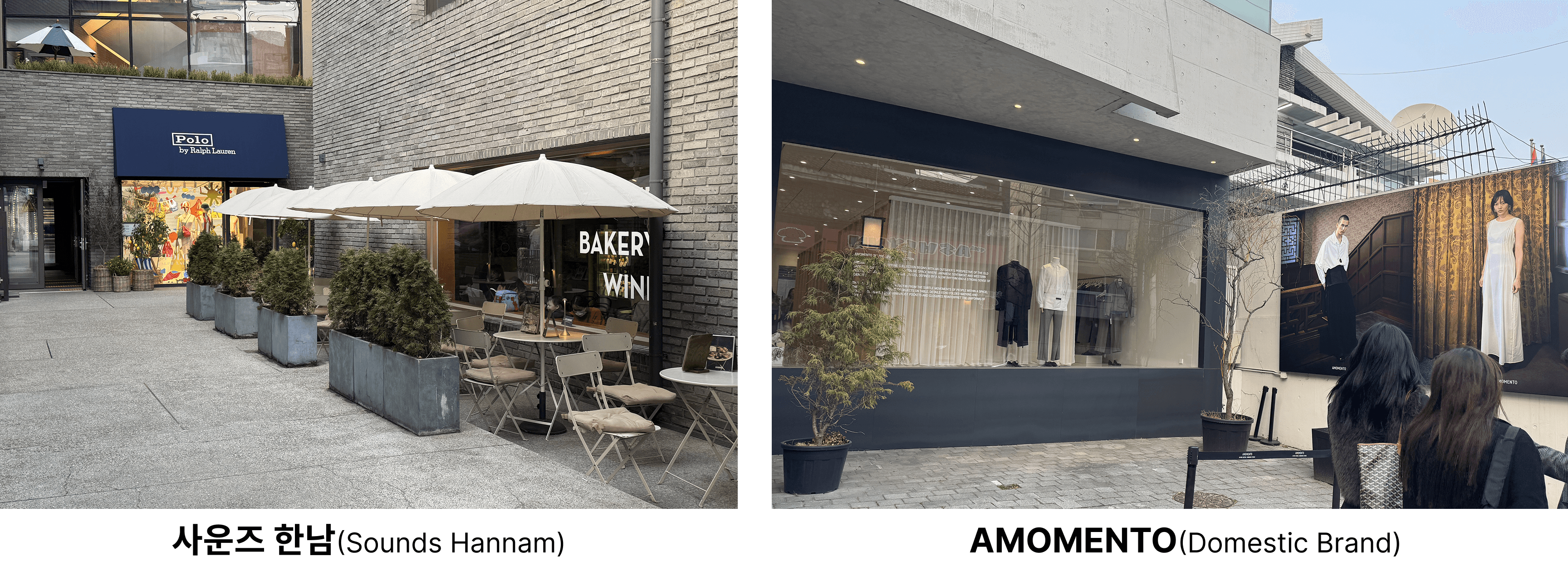
②-C. The Tug-of-War Between Capital and Sensibility
The main roads host massive capital-backed "Big Box" flagships that anchor the district's gravity, while the back alleys are filled with "Niche Spaces"—concept showrooms where creative planning shines.
Anchor (Main Road): Theoretically, the most accessible main roads feature large-scale brands where visibility and symbolism are key (e.g., Alo Yoga, Theory, COS), serving as the entrance to the district.
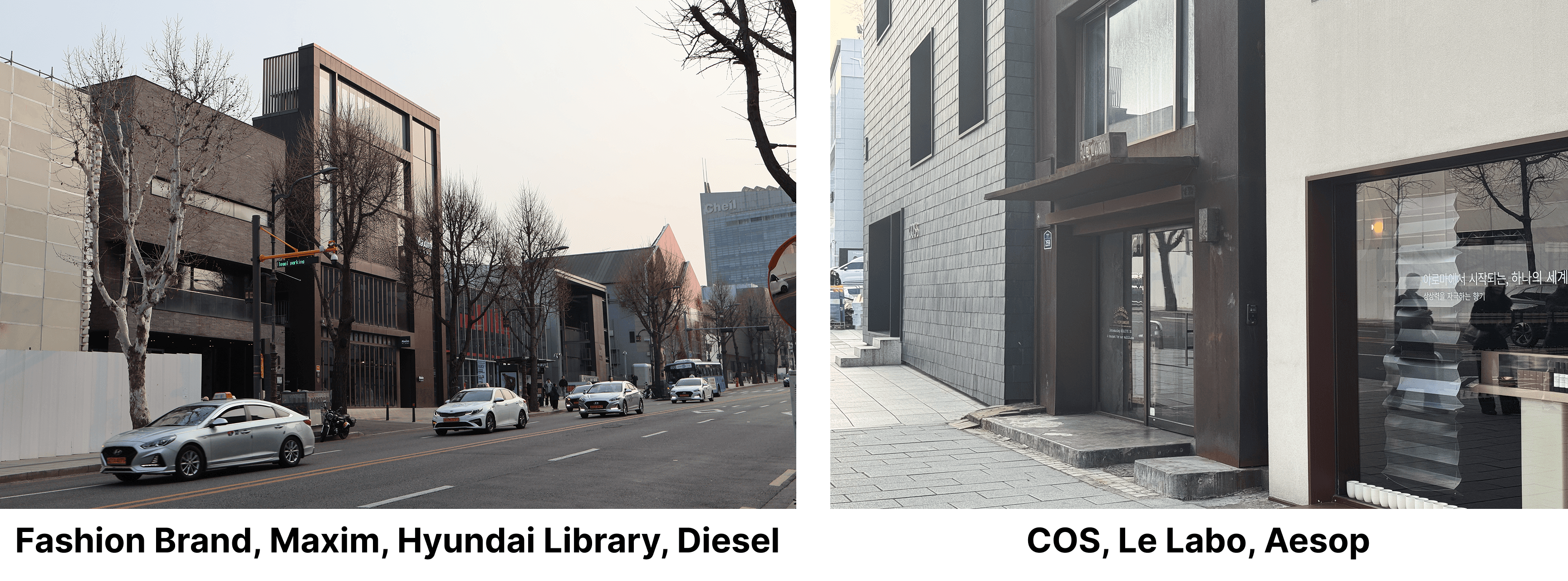
Identity (Identity Alleys): However, Hannam’s true strength comes from its Sweet Spots in the back alleys. Showrooms that preserve old residential frames or complex cultural spaces like Sounds Hannam create a "Hannam-esque" vibe that capital alone cannot replicate. This organic weave ensures visitors feel less "commercial fatigue" and stay longer.
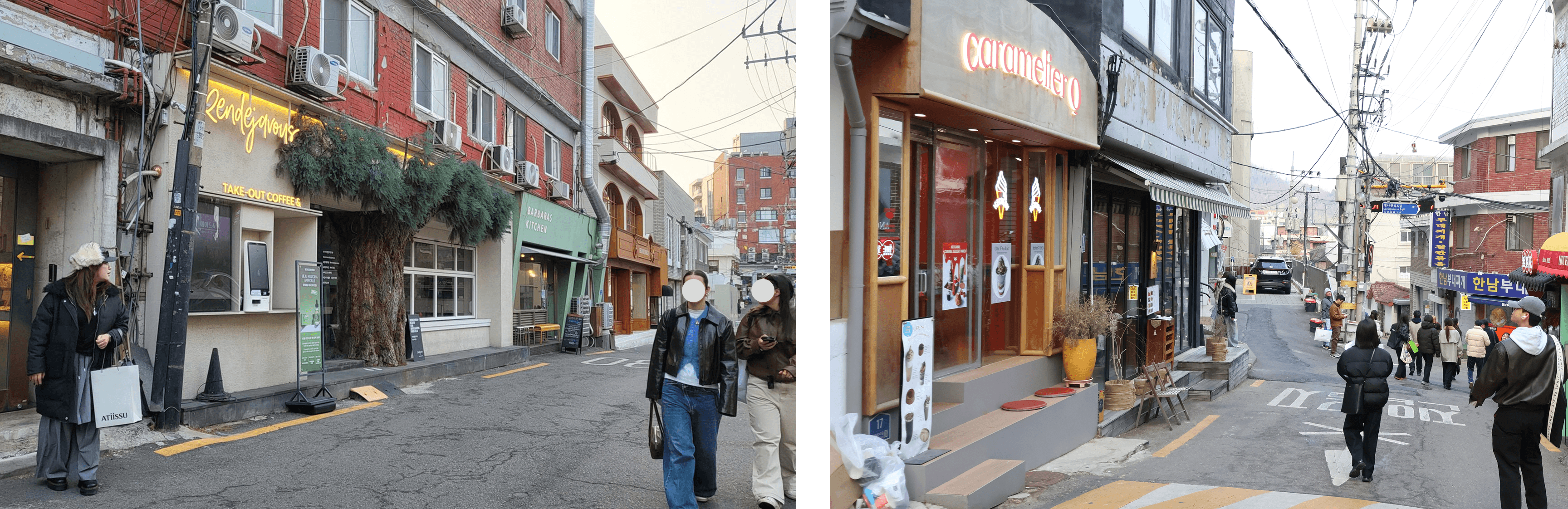
②-D. A Hub for "Explorers," Not Just Tourists
While Myeongdong centers on mass-market shopping tourists, Hannam-dong is dominated by Free Independent Travelers (FIT) looking to consume K-fashion and Seoul’s authentic lifestyle. Trendsetters from Japan, Southeast Asia, the US, and Europe seek out Hannam’s refined sensibility over Myeongdong’s popularity. They share and validate the brands that local trendsetters actually consume, blurring the lines between global demand and local sensibility. Ultimately, to international visitors, Hannam-dong is perceived as the Final Destination: "Hipper than Myeongdong, More Refined than Seongsu."
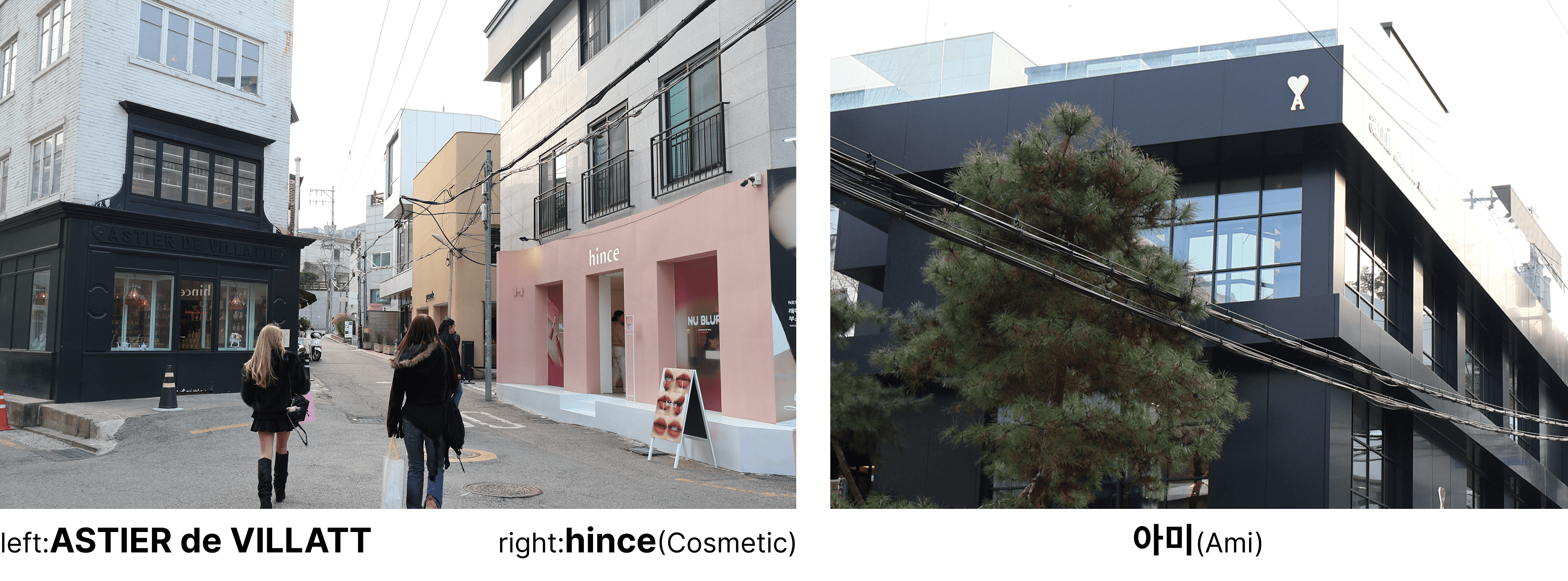
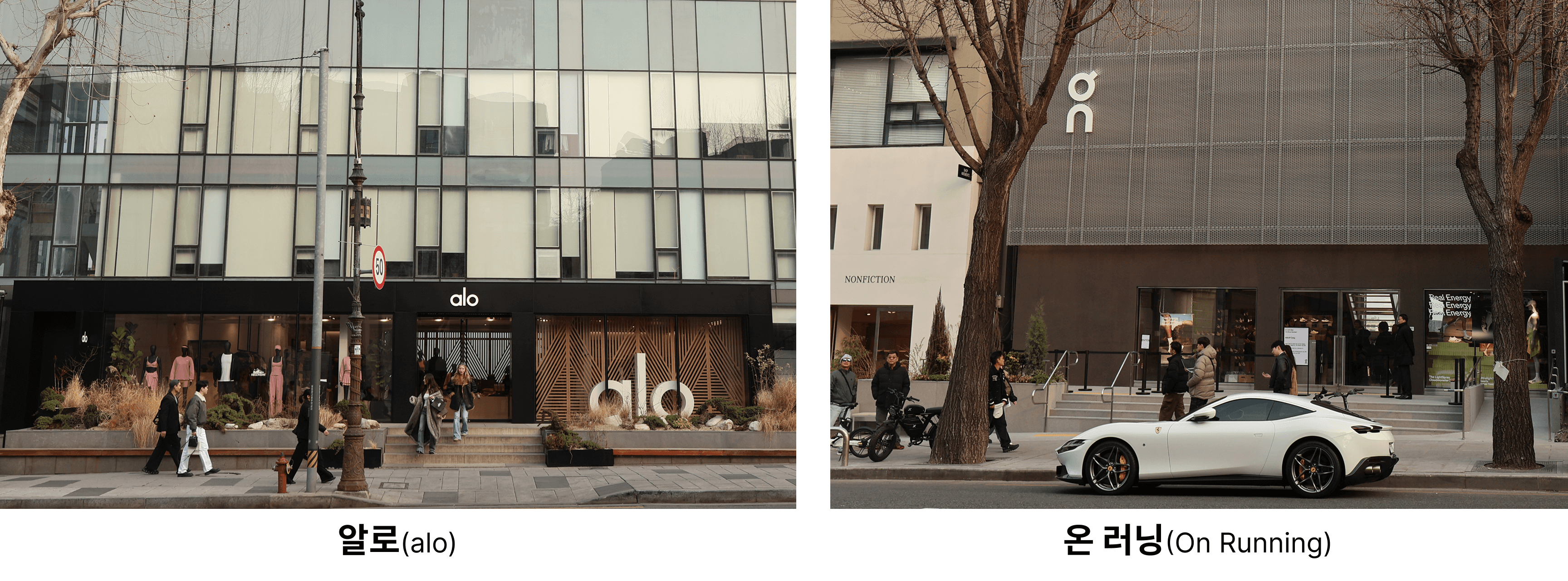
Global brands like Alo Yoga, AMI, On Running, and Marine Serre choose Hannam because it is the most suitable stage to test brand interpretation for the Asian market. The fact that global flagships and domestic contemporary labels (e.g., Matin Kim, Trimming Bird) compete side-by-side in a single alley is the ultimate proof of this "Mingling."
②-E. Shopping as a Stroll, Dining as Content
Hannam-dong is characterized by "Stay-focused Flow"—people visiting for specific showrooms, exhibitions, or cafes. Consumers willingly endure the "trouble" of navigating deep alleys to find a brand. Retailers (Showrooms) provide the "Justification for the Visit," while F&B (Dining/Cafes) completes the "Dwell Time.
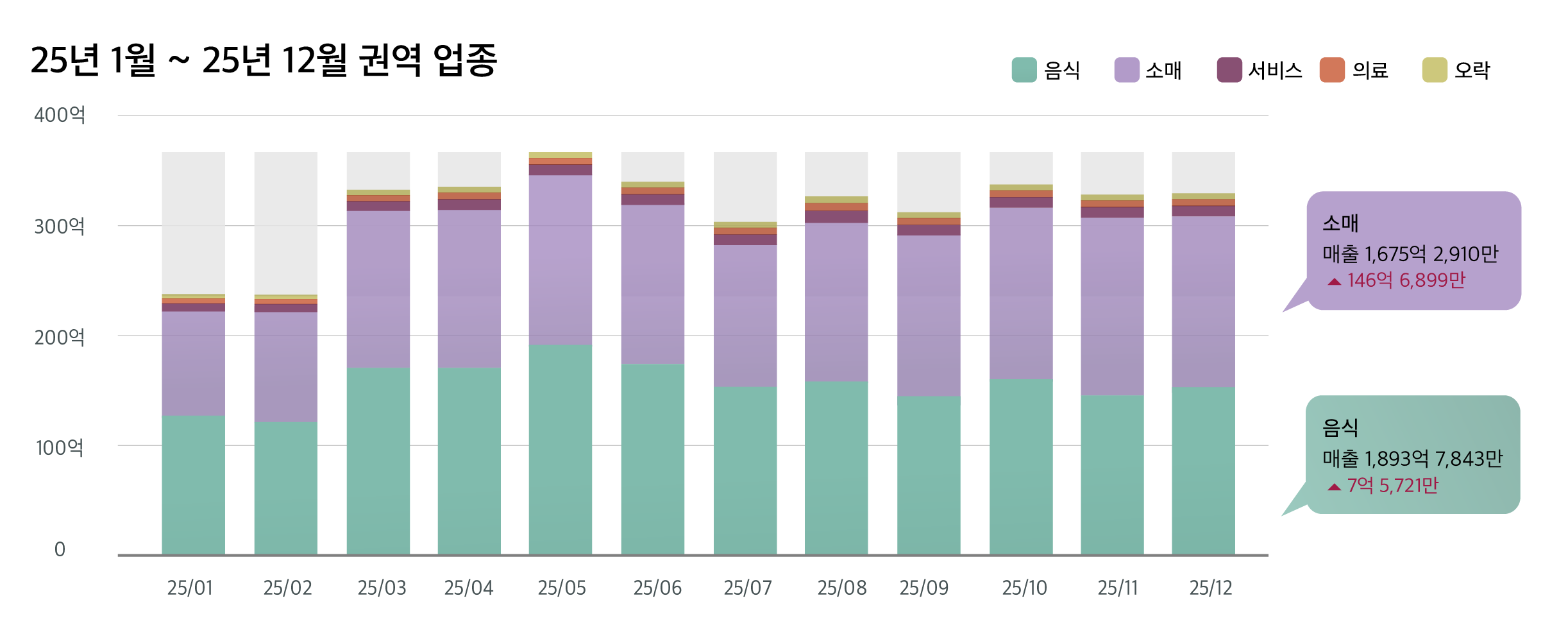
The fact that the ratio of F&B to Retail is nearly balanced means that the average transaction value (ATV) and purpose of the visit are highly sophisticated. Visitors consume Hannam-dong as a Giant Curated Store. The aesthetic sensibility of trying on clothes and having a coffee remains consistent—a rarity in Seoul. Unlike the "eating after seeing a pop-up" approach in Seongsu, Hannam-dong attracts those who come to consume a specific "Taste," naturally extending that experience into dining and coffee.
What’s up next
In the next chapter, we will use data to analyze the "brutal war for entry" behind the 0% vacancy rate and the real estate value of Hannam-dong proven by six-figure Key Money (Premiums). We will dive deep into how "Purpose-driven Stay Flow" resets categories and why brands are desperate to plant their flag in Hannam to get their city-wide "Approval."
Hannam-dong, the epicenter of Seoul’s most refined tastes, is no longer defined simply as a "high-end residential area." Distinguishing itself from the mass-tourism of Myeongdong and the raw, experimental energy of Seongsu, it functions as a sort of "Private Club" where the mingling of global demand and local trendsetters is most densely institutionalized. This report analyzes how this former high-end residential district has evolved into an unrivaled retail hub with a 0% vacancy rate.
Redefining 'High-End'
From Luxury Living to a "Global Brand Showcase" While maintaining its inherent high-end sensibility, Hannam-dong’s functional role has shifted from a quiet residential environment to a flagship stage for projecting a brand’s worldview. It is no longer just a place of consumption; it is the final approval stage where global labels and top-tier domestic contemporary brands interpret and validate the "Seoul sensibility." It has become a retail destination where global consumers and local trendsetters intersect at the highest velocity.
In between of Myeongdong and Seongsu
Hannam-dong occupies a unique position within the Itaewon–Hannam–Yongsan axis. It avoids the transactional nature of Myeongdong and the unrefined industrialism of Seongsu. The coexistence of massive flagships on the main thoroughfares and high-density showrooms in the back alleys creates the most sophisticated retail ecosystem for brands to define and present themselves.
Expansion strategy: VIBE over ROI
Currently, the core of Hannam-dong’s expansion strategy is not a simple calculation of ROI. Success is determined by how powerfully a brand can communicate its worldview (Storytelling) and how effectively it can imprint itself on a global community of refined tastes. The Hannam rental market has shifted from being rent-centric to a "Selective Brand Competition Market," where brand power and conceptual clarity dictate entry.
Hannam Series
Part 1: From High-End Residential to Seoul’s Premier Brand Testbed
① Evolution of Hannam-dong
② Experience-Driven Brand Clusters
Part 2: The Price of Admission to Hannam
③ No Vacancies, Only Strategic Turnovers
④ Key Money Cases and Strategic Site Dominance
⑤ Qualitative Shifts in Flow and Category Resets
⑥ Eat, See, and Wear
① Evolution of Hannam-dong
Pre-1990s: Non-commercial Zone Centered on Diplomacy & Luxury Housing
Concentrated with luxury villas like UN Village and foreign embassies, the area focused on "living" rather than "consumption." This secluded, high-income environment laid the foundation for its current premium image.
Early 2000s: Itaewon Expansion and the Birth of a Cultural Hub
As Itaewon grew into a global tourist and cultural landmark, its influence spilled over into Hannam. The influx of global F&B and bar culture established it as a neighborhood where "foreign culture is consumed naturally."
Circa 2010: The Lifestyle Boom and the First Turning Point
The emergence of high-sensitivity cafes, select shops, and designer showrooms established the concept of "Lifestyle Consumption" even before Seongsu. This period saw the birth of the "Experience Consumption" model.
2015–2019: Evolution into a Flagship District
Major fashion and beauty flagships and concept stores entered the area, completing the current dual structure of main-road anchors and back-alley boutiques. It became firmly established as a space to "showcase a brand’s worldview."
2020–2022: Post-Pandemic Retail Realignment
Even during COVID-19, purpose-driven domestic visitors remained loyal, showing faster recovery than other districts. Brands began positioning their Hannam locations as "Experience Hubs" rather than mere "Sales Outlets."
2023–Present: Completion of the Global Brand Testbed
Beyond a popular district, it is now the core stage for Seoul’s global retail strategy. With zero vacancies, the market has entered a phase of extreme brand vetting and conceptual competition.
② Experience-Driven Brand Clusters
②-A.Beyond a "Hip Neighborhood": A Strategic Brand Cluster
In the Seoul retail landscape, Hannam-dong can no longer be explained by the one-dimensional label of a "hip neighborhood." As previously stated, this is a district where the "Mingling" of global demand and local trendsetters has become a dense, daily reality.
While Seongsu-dong radiates experimental energy through the raw industrial grit of old factory zones, and the Dosan Park area targets "Mixed Luxury" with modern architecture and high-end clusters, Hannam-dong is the ultimate destination of taste reached after traversing these two worlds. More refined than the ruggedness of Seongsu and more flexible than the formalized luxury of Dosan, Hannam-dong is a unique site of "Mingling" where global flagships and local contemporary brands coexist side-by-side in narrow alleys. This is a district for "Global Explorers" (FIT) and high-sensitivity local consumers who have sought out specific brands through social media and global communities, creating an irreplaceable sector for consuming Seoul’s most refined lifestyle.
Hannam-dong’s position in Seoul is clear. It is neither a conventional tourist trap like Myeongdong nor a raw experimental space like Seongsu. Instead, it functions as a High-end Testbed and a Flagship Stage where global labels and top-tier domestic contemporary brands interpret and validate the "Seoul sensibility." How, then, is the spatial structure of Hannam-dong configured to deliver this "hip yet refined" atmosphere?
In Hannam-dong, unlike the linear luxury streets where brands are neatly aligned, massive flagships on the main roads and high-sensitivity showrooms in back alleys coexist organically. Here, the success of a tenant is measured not by "sales volume," but by how overpoweringly they communicate their Brand Worldview and how rapidly that experience goes viral across global communities.
②-B. Dimensional Exploration: A Neighborhood for "Treasure Hunting"
As noted, while Cheongdam-dong is for VVIPs who drive directly to a store, Hannam-dong is a space for Dimensional Exploration—like finding treasure while walking. Lemaire’s decision to tuck itself away in a residential alley rather than a main road was a masterstroke of confidence. It signals: "Find us if you know us"—a sentiment that defines the very identity of Hannam.
The Value of Back Alleys: The presence of Lemaire or the Maison Margiela flagship in residential areas is symbolic of Hannam’s identity. It induces "Purpose-driven Visits," while the domestic brands and small curated shops encountered along the way increase the district's density.
Organic Mingling: The flow continues naturally—visitors exit a global brand showroom, grab coffee at Sounds Hannam right in front, and then head back into an alley to explore a local designer label. This harmony between F&B and fashion provides a sense of leisure and comfort unattainable in other districts.
②-C. The Tug-of-War Between Capital and Sensibility
The main roads host massive capital-backed "Big Box" flagships that anchor the district's gravity, while the back alleys are filled with "Niche Spaces"—concept showrooms where creative planning shines.
Anchor (Main Road): Theoretically, the most accessible main roads feature large-scale brands where visibility and symbolism are key (e.g., Alo Yoga, Theory, COS), serving as the entrance to the district.
Identity (Identity Alleys): However, Hannam’s true strength comes from its Sweet Spots in the back alleys. Showrooms that preserve old residential frames or complex cultural spaces like Sounds Hannam create a "Hannam-esque" vibe that capital alone cannot replicate. This organic weave ensures visitors feel less "commercial fatigue" and stay longer.
②-D. A Hub for "Explorers," Not Just Tourists
While Myeongdong centers on mass-market shopping tourists, Hannam-dong is dominated by Free Independent Travelers (FIT) looking to consume K-fashion and Seoul’s authentic lifestyle. Trendsetters from Japan, Southeast Asia, the US, and Europe seek out Hannam’s refined sensibility over Myeongdong’s popularity. They share and validate the brands that local trendsetters actually consume, blurring the lines between global demand and local sensibility. Ultimately, to international visitors, Hannam-dong is perceived as the Final Destination: "Hipper than Myeongdong, More Refined than Seongsu."
Global brands like Alo Yoga, AMI, On Running, and Marine Serre choose Hannam because it is the most suitable stage to test brand interpretation for the Asian market. The fact that global flagships and domestic contemporary labels (e.g., Matin Kim, Trimming Bird) compete side-by-side in a single alley is the ultimate proof of this "Mingling."
②-E. Shopping as a Stroll, Dining as Content
Hannam-dong is characterized by "Stay-focused Flow"—people visiting for specific showrooms, exhibitions, or cafes. Consumers willingly endure the "trouble" of navigating deep alleys to find a brand. Retailers (Showrooms) provide the "Justification for the Visit," while F&B (Dining/Cafes) completes the "Dwell Time.
The fact that the ratio of F&B to Retail is nearly balanced means that the average transaction value (ATV) and purpose of the visit are highly sophisticated. Visitors consume Hannam-dong as a Giant Curated Store. The aesthetic sensibility of trying on clothes and having a coffee remains consistent—a rarity in Seoul. Unlike the "eating after seeing a pop-up" approach in Seongsu, Hannam-dong attracts those who come to consume a specific "Taste," naturally extending that experience into dining and coffee.
What’s up next
In the next chapter, we will use data to analyze the "brutal war for entry" behind the 0% vacancy rate and the real estate value of Hannam-dong proven by six-figure Key Money (Premiums). We will dive deep into how "Purpose-driven Stay Flow" resets categories and why brands are desperate to plant their flag in Hannam to get their city-wide "Approval."
More in
More in
street
street
street
Mar 4, 2026
Cheongdam: The Art of Elegant Detachment
A place where discomfort becomes authority, a Cheongdam-dong retail space calculated even to a ray of sunlight.
street
Mar 2, 2026
Hannam-dong, Seoul's private club. ②
0% vacancy rate, key money in the hundreds of millions of won, and fierce competition to get selected as a brand — "who" matters more than money.
Get the best of 'detail'
in your inbox, every month
Once a month, no spam
Get the best of 'detail'
in your inbox, every month
Once a month, no spam
Get the best of 'detail'
in your inbox, every month
Once a month, no spam